
Introduction to Foundation Repair Costs in the U.S.
Foundation repair is one home expense most people do not expect. Still, ignoring early signs can turn a small problem into a costly repair. A thin crack, an uneven floor, or a door that sticks may look minor, but they can indicate movement under the home.
In the U.S., foundation repair costs can vary widely from house to house. To understand this better, you can check our detailed guide on the foundation repair cost breakdown. Some repairs are simple and low-cost. Others can reach thousands of dollars. The real difference often comes down to timing, damage level, soil conditions, and the repair method used. 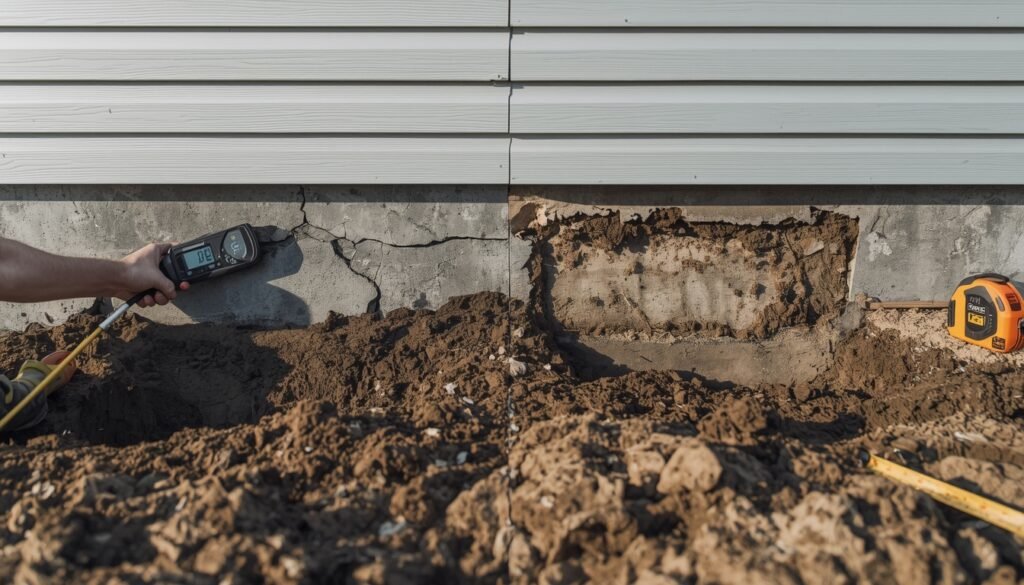
What Is Foundation Repair and Why Does It Matter?
Foundation repair means fixing damage in the base that supports your home. This damage may result from shifting soil, poor drainage, water buildup, weak construction, tree roots, or harsh weather.
You may notice cracks in walls and floors, sloping rooms, or windows that do not close smoothly. These signs should be checked early, as foundation movement can affect the entire structure.
Why Early Foundation Repair Can Save Money
Early action can help you avoid a larger repair bill. A small crack may only need sealing or a simple repair. If you wait too long, the same issue can spread and damage walls, floors, plumbing, and other parts of the home.
Quick repairs also help protect your property value. Many buyers worry when they see foundation damage. Fixing the problem early keeps your home safer and makes it easier to sell later.
The Real Cost of Foundation Repair in the U.S.
In the United States, many foundation repairs fall between $2,000 and $10,000. Small crack repairs may cost less, while serious structural work can cost more than $20,000.
The final price depends on the home’s size, the type of foundation, the repair method, local labor rates, and the extent of foundation movement.
Foundation Repair Cost by Type of Repair
Different problems need different repair methods. Crack sealing is usually used for small cracks and is often the most affordable option.
Slab jacking can lift sunken concrete. Pier systems can support a sinking foundation. Waterproofing helps stop water from causing more damage in the future.
Why Costs Change by Region
Your location can affect the cost of foundation repair. Homes built on clay soil often face more movement because clay expands when wet and shrinks when dry.
Cold regions can also have foundation problems due to freeze-thaw cycles. Local permit rules, inspection costs, and contractor rates may also raise or lower the final cost.
Seven Factors That Can Increase Foundation Repair Costs
Severity of Damage
Small cracks are usually easier to repair. Deep cracks, sinking areas, or major shifting often need more labor, materials, and time.
Type of Foundation
A slab, crawl space, and basement foundation each need a different repair approach. This changes the total cost.
Soil and Drainage Conditions
Unstable soil and poor drainage can make the repair more complex. Water around the home can also cause the same problem to return.
Access to the Damaged Area
A repair may cost more when the damaged area is hard to reach. Tight spaces and blocked access can increase labor time.
Labor Rates
Labor costs change by city, state, and contractor experience. A skilled team may cost more, but the work is often safer and more reliable.
Permits and Inspections
Some local areas require permits or inspections before foundation work begins. These fees can add to your total cost.
Delaying Repairs
Waiting is one of the most expensive mistakes. Small damage can spread, which often leads to a much higher repair bill.
Hidden Costs of Foundation Repair
Foundation damage can lead to additional costs beyond the main repair. Walls may crack, floors may shift, and ceilings may show stress marks.
Plumbing lines can also be affected when the foundation moves. After the repair, you may need drywall work, paint, flooring repair, or exterior touch-ups.
How to Save Thousands on Foundation Repair Costs
Start by getting multiple quotes from licensed foundation repair contractors. This helps you compare prices, repair methods, warranties, and timelines.
To save thousands, act early, choose the right repair method, ask about warranty coverage, check your insurance policy, and see if financing options are available. Each step helps you reduce costs and avoid expensive repairs later.
DIY vs. Professional Foundation Repair
Small surface cracks may be handled with a basic crack sealant. This only works when the crack is minor and does not point to structural movement.
Major cracks, sinking floors, bowing walls, or wide gaps need a professional inspection. Trying to fix serious foundation damage without the right tools can make the problem worse.
Signs You Need Foundation Repair Immediately
Call a professional if you see wide cracks, uneven floors, sticking doors, or gaps around windows and door frames. These signs often mean the foundation is shifting.
You should also act quickly if cracks continue to grow or several signs appear at once. A quick inspection can help you avoid bigger repairs.
How to Choose the Right Foundation Repair Company
Look for a licensed company with strong experience in foundation repair. Read reviews, ask for references, and check whether the contractor clearly explains the repair plan.
Clear pricing is important. Avoid anyone who gives vague answers or pressures you into a quick decision. A good warranty is also a strong sign of reliable work.
How to Prevent Future Foundation Problems
Good drainage helps protect your foundation. Keep gutters clean, extend downspouts away from the home, and make sure soil slopes away from the foundation.
Try to keep soil moisture steady around the house. Regular inspections, smart landscaping, and quick crack repairs can help prevent costly foundation problems later.